Bulk Ammunition: Why Buying in Volume Saves More Than You Think
Bulk ammunition is simply a large quantity of cartridges packaged together, typically in boxes of 250 to 1,000 rounds, rather than the standard retail boxes of 20 or 50. Each round functions identically to individually purchased ammunition, with the same primer, propellant, and projectile seated in a metallic case, ready for loading into a magazine or chamber. The primary advantage of buying in bulk is a lower cost per round, achieved by reducing per-unit packaging and handling overhead, which directly benefits shooters who train frequently or burn through large volumes at the range. To use it effectively, you simply store the loose rounds in a dry, cool container or magazine, then feed them through your firearm exactly as you would any other factory ammunition.
How Buying in Volume Cuts Your Per-Round Costs
Buying bulk ammunition reduces per-round costs primarily through tiered pricing, where manufacturers and retailers pass on savings from lower packaging, shipping, and handling overhead per unit. A 1,000-round case of 9mm often costs 15–25% less per round than four 250-round boxes, because bulk orders streamline logistics and avoid repeated retail markups. Additionally, volume purchases shield you from short-term price fluctuations, letting you lock in a stable rate for practice or training. The savings are most pronounced with common calibers, where competition drives wholesale discounts. For example, a 500-round bulk pack may cost $0.28 per round, while single boxes average $0.35—a direct 20% reduction. Q: Why does buying 1,000 rounds beat five 200-round boxes? A: The larger order spreads fixed delivery and manufacturing costs across more units, lowering each cartridge’s final price.
Breaking Down the Price Per Cartridge at Different Order Sizes
When evaluating price per cartridge at different order sizes, the savings curve is steepest between a 50-round box and a 500-round case, where per-round cost often drops 15–25% due to reduced packaging and freight allocation. Moving from 500 to 1,000 rounds yields a smaller 5–10% decrement, as logistics and handling fees become marginal. Beyond 2,000 5.7x28mm Ammo for Sale rounds, the per-cartridge price plateaus; you’re paying mostly for raw materials and primer, not labor or box assembly. Always calculate shipping into the unit price—free-shipping thresholds at 1,000 rounds can erase the apparent advantage of a 500-round “deal.” Compare final landed cost per round, not sticker price.
Per-cartridge cost drops sharply up to 500 rounds, then tapers; always divide total delivered cost by round count to find 7.62×39 Ammo for Sale true savings.
Where the Real Savings Hide: Shipping, Packaging, and Handling Fees
The most overlooked savings in bulk ammunition lie in 7mm PRC Ammo for Sale shipping, packaging, and handling fees. Buying 1,000 rounds versus ten boxes of 100 typically reduces per-order freight costs from a per-box rate to a flat or tiered weight rate. Look for retailers offering free shipping thresholds—hitting that mark with a case of ammo eliminates the $15–$25 fee entirely. Packaging waste decreases: bulk orders arrive in a single reinforced carton, not ten individual taped boxes, lowering disposal time. Handling fees, often charged per SKU, drop to one line item. Consolidating your order into one bulk purchase circumvents repeated “small order” surcharges. To maximize this: compare per-round price including freight, choose the largest case that fits your storage, and verify whether the dealer applies hazmat or signature fees—these are unavoidable but amortize better over higher quantities.
What Calibers and Grain Weights Are Actually Available in Bulk
For bulk ammunition, the realistic caliber and grain weight availability is narrower than retail shelves suggest. You’ll consistently find 9mm in 115, 124, and 147 grain; .223 Remington/5.56 in 55 and 62 grain; and .308/7.62 NATO in 147 and 150 grain. Bulk .22 LR is almost always 36 or 40 grain. For pistols, .45 ACP bulk stops at 230 grain, and .40 S&W at 180 grain. Heavier match-grade loads (e.g., 77 grain .223, 175 grain .308) are rarely sold in true bulk quantities—those remain premium, limited runs.
If you want deep-stock savings, commit to the standard service loads listed above; exotic grain weights vanish specialty sports & supply from bulk bins quickly and don’t return.

Shotgun bulk is almost entirely 1⅛ oz (114 grain equivalent) in 12 gauge. Stick to these core weights, and you’ll find pallet options; anything outside them means buying boxes, not cases.
Matching Bullet Type (FMJ, JHP, Brass vs. Steel) to Your Shooting Goal
When buying in bulk, your bullet type must align with the goal: FMJ for high-volume practice—cheap, reliable, and ideal for drills since it punches clean paper without expanding. JHP, though pricier, serves defensive or hunting loads where terminal performance outweighs cost; reserve bulk JHP only for periodic function-testing of carry ammo, not daily range work. Brass cases handle reloading and hot loads, resisting cracking across multiple firings, while steel cases are a budget choice for casual plinking where case life is irrelevant—just expect tighter extraction and potential feed issues. Match grain weight to your firearm’s twist rate for accuracy, not to arbitrary “stopping power” claims. Prioritize FMJ brass for training volume; steel-cased FMJ for waste-prone drills; JHP only for defensive confirmation.
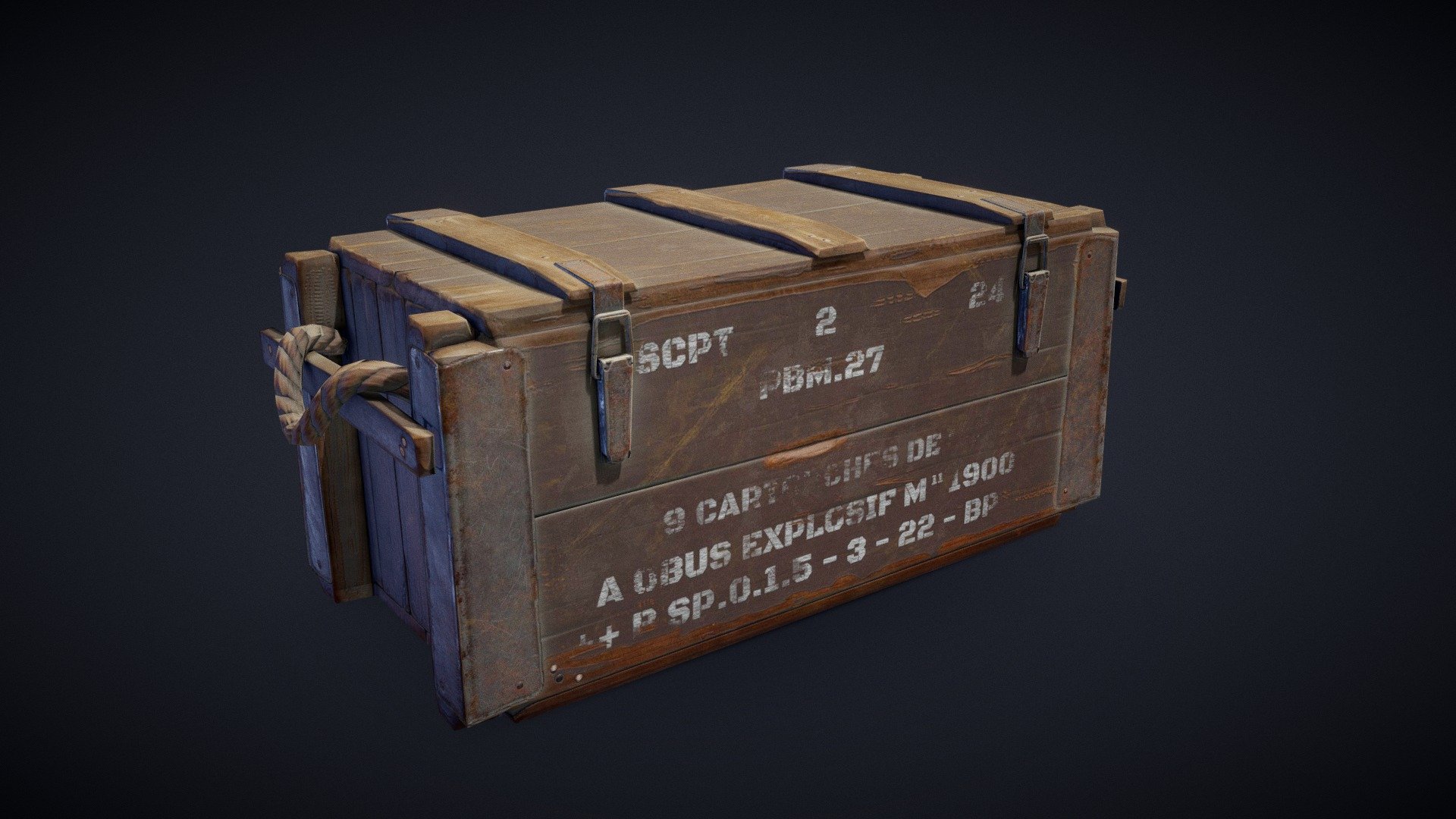
Bulk buying hinges on this: FMJ brass maxes training value, steel sacrifices reliability for cost, and JHP is reserved for defensive verification—never as a plinking staple.
Reading the Box: Interpreting Velocity, Ballistic Coefficient, and Lot Numbers
Reading the box of bulk ammunition requires decoding three data points: **velocity, ballistic coefficient, and lot number**. Velocity, listed in feet per second, tells you the muzzle speed, but it varies with barrel length—a shorter barrel yields lower numbers than the box claims. Ballistic coefficient (BC) indicates how efficiently a bullet retains energy; a higher BC means flatter trajectories and better wind resistance, which matters at extended ranges. The lot number is critical for consistency: bulk purchases spanning multiple lots may group differently due to slight powder or primer variations. Always verify the lot number matches across your cases, then test a sample for zero shift.
Q: Why does the lot number matter when reading the box for bulk ammunition?
A: Different lot numbers indicate separate production runs, which can have subtle variations in velocity or pressure, causing point-of-impact shifts even if the caliber and grain weight are identical. .17 HMR Ammo for Sale Mixing lots in a single session degrades accuracy prediction.
How to Verify Bulk Ammo Is Fresh and Safe Before You Stock Up
To verify bulk ammo is fresh and safe, start by inspecting the packaging for intact factory seals, which prevent moisture intrusion that degrades powder and primers. Check the headstamp on each cartridge for uniformity, and examine cases for corrosion, dents, or green verdigris around primers—signs of age or poor storage. Spot-check a sample from different boxes in the lot by measuring cartridge overall length with calipers and ensuring projectile tension isn’t loose. Pull a few bullets to smell the powder: a sharp solvent scent means it’s stable, while a sour or vinegar odor indicates decomposition. Also, shine a light into case mouths to confirm clean, bright brass without cracks.
If a single round fails any check—especially primer sealing or powder odor—reject the entire batch, as defects often cluster.
Finally, store your bulk ammo in airtight, desiccant-lined containers, but verify again after six months, as even fresh stock degrades .17 WSM Ammo for Sale if left in heat.
Checking Headstamps, Primer Seals, and Visual Signs of Corrosion
Before committing to bulk ammunition, inspect the cartridge base for a legible headstamp; a clear manufacturer and caliber mark indicates consistent production, while an obliterated or mismatched stamp suggests repacking or reject lots. Examine primer seals, particularly on military-surplus rounds, for cracks, shrinkage, or missing sealant—compromised seals allow moisture intrusion that degrades powder. Scan the case and primer pocket for corrosion: green verdigris on brass, white powdery oxidation on zinc, or reddish pitting on steel are definitive red flags. Minor surface tarnish may be cosmetic, but deep pitting near the case mouth or rim compromises structural integrity. Reject any lot exhibiting rust-colored streaks radiating from the primer, as these indicate advanced chemical breakdown. Corrosion-focused lot inspection for bulk ammunition prevents dangerous pressure spikes from weakened cases.
Q: How do primer seal cracks affect bulk ammo safety?
A: Cracks in the sealant create a direct pathway for moisture and oils to reach the priming compound, accelerating decomposition and leading to misfires or hangfires. Squeeze the case mouth slightly—if you see sealant flaking off, discard the round.
Why Lot Numbers Matter for Consistency Across Thousands of Rounds
When you’re buying bulk ammo by the case, lot numbers are your best friend for keeping things consistent. A single lot means every round was loaded on the same line with the same powder, primers, and bullets—so ballistics like velocity and point of impact stay uniform. If you mix multiple lot numbers in one stash, you might see fliers or zero shifts downrange. Before you stock up, check the box or case for the lot number and buy from the same one if possible. Here’s a quick check: verify lot numbers match on every box before sealing the deal.
- Inspect a 7.62×51 Ammo for Sale few boxes from different spots in the case to confirm they share one lot number.
- If they don’t, shoot a few from each lot to note any impact or feel differences.
- Then, store rounds from different lots separately so you know exactly what you’re grabbing.

Smart Storage Practices That Keep a Large Ammo Cache Reliable
For bulk ammunition, the secret to a reliable cache is isolating each round from its enemies: moisture, heat, and physical shock. Store bulk ammo in sealed, military-grade ammo cans with a fresh desiccant pack inside, and stack 5.56 Ammo for Sale them off the concrete floor on a wooden pallet to prevent condensation wicking. Rotate your stock using a permanent marker on the can lid, always pulling the older lot for practice and sealing the newer bulk purchase in the back, which keeps pressure curves consistent across thousands of rounds. Never store loose bulk ammo in plastic bags, as they trap humidity and cause case corrosion. What is the single most effective habit? Check your cans every six months, opening them in a dry room and feeling for any grit or green patina on the brass—this catches a failing seal before it ruins a whole lot. Keep the temperature below 70°F, and your bulk ammo will fire as reliably years from now as it did the day it arrived.
Controlling Humidity and Temperature to Prevent Misfires
For bulk ammunition, uncontrolled humidity and temperature directly compromise primer stability and Ammo Cans & Storage for Sale propellant burn rates, leading to misfires or hang-fires. Store primers and powder in airtight, sealed ammo cans with desiccant packs, monitoring internal relative humidity to stay below 30%, as moisture absorption degrades the lead styphnate in primers. Keep the cache in a cool, stable environment—ideally between 60°F and 70°F—because extreme heat accelerates powder decomposition, while rapid thermal cycling creates condensation inside sealed containers. This climate-controlled ammo storage approach requires quarterly inspection of desiccant color indicators and replacing them when saturated. A digital hygrometer inside each can offers precise verification, preventing the silent deterioration that turns reliable bulk rounds into unpredictable duds.
Using Ammo Cans, Silica Packs, and Rotation Strategies for Long-Term Storage
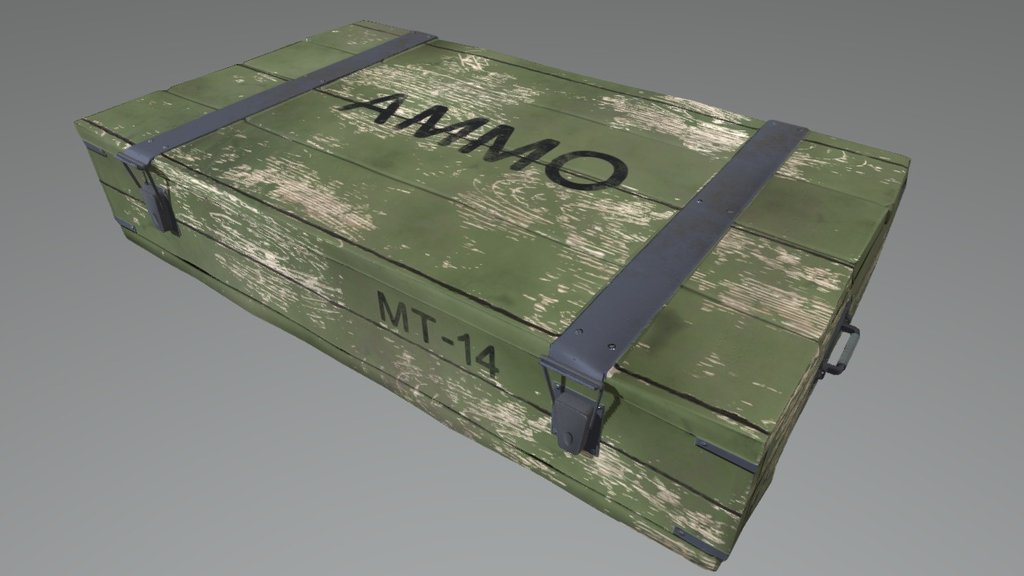
For bulk ammunition, your first line of defense is a proper long-term storage rotation system. Skip flimsy cardboard; transfer rounds into sealed mil-spec ammo cans—the rubber gaskets keep out humidity and pests. Toss a few silica packs inside each can to absorb residual moisture, but remember they aren’t magic—recharge them in a low oven every few months. The real trick is rotation: label every can with purchase date, then practice “first in, first out.” Shoot from the oldest stockpile during range days, refilling with fresh boxes from the back. *This keeps your cache’s performance consistent, preventing aged powder from degrading in primers.*
Choosing Between Factory New, Remanufactured, and Surplus Ammo in Bulk
When buying bulk ammunition, your choice between factory new, remanufactured, and surplus ammo hinges on three factors: cost, consistency, and condition. Factory new rounds deliver unmatched uniformity for high-volume training, ensuring every shot matches the last—critical when you’re burning through thousands of rounds and need zero surprises. Remanufactured ammo offers a budget-friendly middle ground, but because it relies on once-fired brass, you must inspect for cracked necks or loose primer pockets before committing to a case; quality varies wildly between loaders. Surplus bulk ammo wins on price per round, but it’s a gamble—corrosive primers or age-hardened powder can spike pressure, so test a small batch first. For pure practice volume, remanufactured works if you vet the seller; for competition or self-defense, never skimp past factory new. Surplus only suits shooters who accept moister storage risks for dirt-cheap blasting. Match the bulk lot to your specific rifle’s tolerances, not just your wallet.
When Reman Rounds Are a Safe Bargain—and When to Avoid Them
Remanufactured ammunition is a safe bargain when you buy from reputable loaders who fully inspect, clean, and gauge every casing, replacing primers and propellant to factory specifications. For high-volume practice or plinking with standard-pressure calibers like 9mm or .45 ACP, these rounds often deliver reliable accuracy at a meaningful discount. However, avoid reman rounds when you need ammunition for defensive carry, hunting, or any firearm with tight headspace tolerances, since even minor case deformation can cause pressure spikes or extraction failures. Likewise, skip generically labeled “reloaded” ammo sold without headstamp sorting or lot traceability—this is unpredictable surplus masquerading as a bargain. Stick to verified manufacturers for bulk ammunition reliability, and reserve unknowns for range-only use.
Pros and Cons of Surplus vs. Fresh Production for High-Volume Training
For high-volume training, surplus ammo offers a compelling cost advantage, letting you burn through thousands of rounds without exhausting your budget. However, its primary drawback is inconsistency—surplus lots often contain mixed headstamps, varying powder charges, and occasional corrosion, which can degrade accuracy and cause frustrating malfunctions during drills. Fresh production, in contrast, delivers uniform ballistics, reliable ignition, and clean-burning propellants, ensuring your practice replicates duty or competition performance. While surplus excels at pure trigger time for basic marksmanship, fresh ammunition shines for skill-building where every shot counts. Ultimately, choosing surplus vs. fresh production for high-volume training hinges on whether you prioritize raw quantity or consistent, repeatable feedback from every 7.62x54R Ammo for Sale round fired.
Calculating How Much Ammo You Really Need to Order at Once
Calculating how much bulk ammunition to order at once starts with auditing your actual consumption, not your storage capacity. Track rounds fired per range session over two months, then multiply by your average monthly trips; for a defensive stockpile, add 500 rounds per firearm you train with regularly. A practical rule is to order a six-month supply, but only if that quantity fits your budget without straining other essentials. Bulk pricing only saves money if you use the rounds before your needs change, so over-ordering a caliber you might sell or switch from wastes capital. Q: How do you avoid over-ordering? A: Subtract your current on-hand count from your six-month usage figure, then round up to the nearest case increment, never exceeding 20% of your annual income for ammo.
Factoring in Your Monthly Range Sessions, Zeroing, and Malfunction Rate
When calculating bulk ammo needs, tally your monthly range session volume first—multiply rounds fired per trip by sessions per month, then add a fixed 5–10% buffer for zeroing your optic at 100 yards after any barrel or mount change. Factor your malfunction rate separately: if your firearm averages one failure per 200 rounds, add that 0.5% directly to your monthly total, not just your annual estimate. Sequence your math: 1) count live-fire drills, 2) add zeroing strings (typically 20–40 rounds per session), 3) multiply by expected malfunctions, 4) round up to the nearest full box. This ensures your bulk order covers practice plus diagnostic re-shoots without dipping into reserve stock.
Tips for Split Orders: Mixing Calibers or Grain Weights in One Bulk Purchase
When splitting a bulk order across calibers or grain weights, treat each SKU as its own line item for tracking and budgeting. For mixed grain weights, confirm your firearm’s twist-rate compatibility before committing to a heavy-for-caliber bullet in large volume. Order smaller test batches of each variant first to validate feeding and accuracy, then scale only the proven performer. Split shipping costs proportionally by weight, and ensure your storage separates similar-looking rounds to prevent mix-ups at the range. A practical rule: allocate 60% to your primary defensive load and 40% to training loads, adjusting only after consistent function testing.
Mixing calibers or grain weights in one bulk purchase requires separate inventory logs for each type, including lot numbers and purchase dates, to simplify recalls or troubleshooting.
Q: Should I split a bulk order between two grain weights of the same caliber?
Yes, but only if your barrel’s twist rate stabilizes both loads accurately. Test 50 rounds of each before ordering large quantities, then split the final order based on measured performance.